Maine Coon Lifespan and Health Issues: HCM, SMA, PKD, and Dysplasia
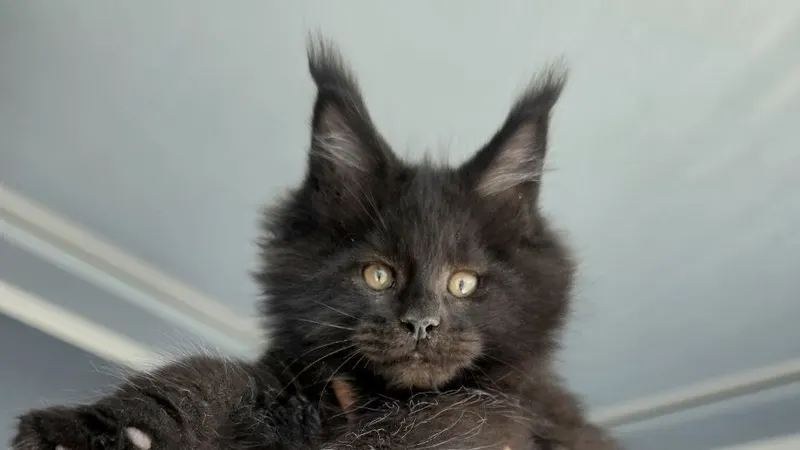
The Maine Coon is a robust breed, but like any other, it has hereditary diseases. The good news: almost all of them can be detected through tests before breeding. The unfortunate news: these tests come with a cost, leading unscrupulous sellers to skip them, hoping buyers won't inquire.
How Long Do Maine Coons Live
The average lifespan is 12–15 years. With excellent care, proper nutrition, and healthy genetic lines, Maine Coons often live to be 16–18 years old. Spayed and neutered animals generally live longer, as they have a lower risk of reproductive system tumors.
Four Essential Tests Every Breeder Must Perform
HCM — Hypertrophic Cardiomyopathy
The most serious disease in the breed: a thickening of the heart muscle walls that can lead to heart failure and thromboembolism. It is checked in two ways, and both are necessary:
- DNA test for the MYBPC3 gene mutation — performed once in a lifetime;
- Echocardiogram (Heart Ultrasound) — regularly, as the disease can occur even without the known mutation.
A DNA test result of N/N means 'no mutation detected', N/HCM — carrier, HCM/HCM — two copies of the mutation. Only N/N animals are permitted for breeding.
SMA — Spinal Muscular Atrophy
Inherited recessively: only kittens who receive the gene from both parents will be affected. It manifests at 3–4 months with weakness in the hind limbs. The cat does not experience pain and can live a happy indoor life, but the disease is entirely preventable — simply avoid breeding two carriers together.
PKD — Polycystic Kidney Disease
Cysts in the kidneys that gradually reduce their function. More commonly associated with Persians, but it also occurs in Maine Coons, which is why it's included in the standard panel of tests.
PKDef — Pyruvate Kinase Deficiency
A deficiency of an enzyme in red blood cells, leading to anemia. This is also a recessive disease, and it is fully controlled by testing the parents.
Hip Dysplasia
Large body weight places a strain on the joints. Dysplasia occurs in some lines and is diagnosed by X-ray (the scan is usually performed after one year of age). Prevention is simple: avoid excessive weight, do not encourage kittens to jump from high places, and provide climbing structures with intermediate platforms.
How to Verify Your Breeder
- Request parental test results: a document showing the animal's name, microchip number, and date.
- Confirm the date of the last heart ultrasound — a DNA test does not replace it.
- Inquire about the ancestors: whether there have been any HCM cases in the lineage.
- Ensure that health guarantees are specified in the contract.
At our cattery, test results are listed directly on each breeding cat's profile — they are visible on the Males and Females pages, without any need for inquiry or correspondence.
What Depends on the Owner
- Weight. Obesity is the primary accelerator of heart and joint problems.
- Prevention. After 6–7 years of age, it's advisable to perform a heart ultrasound once a year, even if the cat appears healthy.
- Teeth. Gingivitis is common in Maine Coons; regular dental cleaning and check-ups extend their lifespan.
- Nutrition. Large cats require protein and portion control, not just "more and tastier."
Learn more about daily care in the article Maine Coon Care and Maintenance. For questions about a specific kitten, please contact us directly.