Maine Coon: Pros and Cons of the Breed, Children and Other Animals
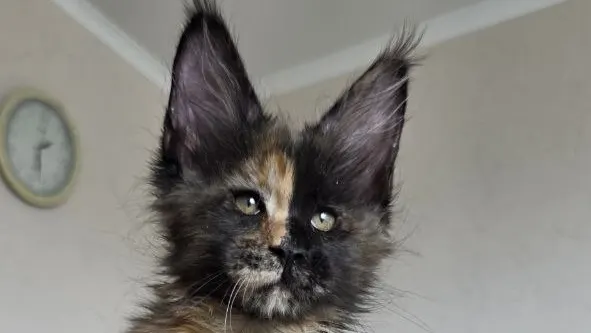
People often write about Maine Coons with boundless enthusiasm, so let's approach this breed without rose-tinted glasses. We'll start with the downsides – if these don't deter you, everything else will be a delightful bonus.
Maine Coon Downsides
Fur
It's everywhere: on the sofa, on your clothes, even in your soup. Maine Coons shed year-round, with particularly heavy shedding in the spring. You'll need to brush them 2–3 times a week, and daily during shedding season. How to do this quickly and comfortably for your cat is described in the article Уход за шерстью мейн-куна.
Size Requires Space and Budget
An XL litter box, a scratching post at least 1.2 meters tall, a large carrier, bigger bowls – and about one and a half times the usual amount of food. The cost of ownership is detailed in the article Сколько стоит мейн-кун.
They Will Follow You
The Maine Coon is often called a 'dog-like cat.' They dislike closed doors, will accompany you to the bathroom and kitchen, and do not tolerate being alone for 12 hours a day very well. If your home is empty for extended periods, this breed may not be the right fit for you.
Slow Maturation
Their full development takes 3–4 years. During this entire time, you'll have a large cat who is still very much a kitten at heart – complete with playful kitten antics at three in the morning.
Advantages
Temperament
They are calm, non-aggressive, and quite vocal (Maine Coons don't typically meow, but rather trill and chirp). They choose their people over a particular place and love to be involved in everything happening at home. Learn more in the article Характер и особенности мейн-куна.
Intelligence
This breed is quick to learn: they can fetch toys, walk on a harness, and respond to their name. Many Maine Coons even open doors themselves – which can be both a benefit and a challenge!
Tolerance
Maine Coons rarely use their claws. Even an unhappy cat will first retreat, and only then – if truly provoked – will they voice their displeasure.
Maine Coons and Children
This breed is considered one of the best for families: they are tolerant of noise, hugs, and participating in children's games. However, there are two important rules:
- Children need to understand that the cat has its own private space where they should not be disturbed.
- Do not leave a cat unsupervised with a toddler under 3–4 years old. This isn't due to aggression – a 9-kilogram cat can simply accidentally knock a child over during play.
Maine Coons and Other Animals
Dogs
They get along wonderfully, especially if introductions are handled correctly: separate rooms and scent swapping for the first few days, followed by supervised meetings. A Maine Coon is typically not afraid of dogs and interacts with them as equals.
Other Cats
Problems are quite rare. Maine Coons are not prone to territorial disputes, but each cat does need its own litter box (the 'N+1' rule), its own bowl, and its own elevated resting spot.
Birds and Rodents
To be honest: the breed's hunting instinct is well-preserved. Keep your hamster or parrot in an inaccessible location – training will not overcome this natural drive.
Who This Breed May Not Be For
- Those who are not prepared for fur and regular grooming;
- Those who are rarely home;
- Those looking for a 'decorative cat in the corner' – a Maine Coon will become an integral part of your family, whether you intend it or not;
- Allergy sufferers: truly hypoallergenic cats do not exist, and Maine Coons have a luxurious, abundant coat.
If these potential downsides haven't deterred you – view our available kittens or read our guide on как выбрать котёнка.