17 Facts About Maine Coons That Surprise Even Owners
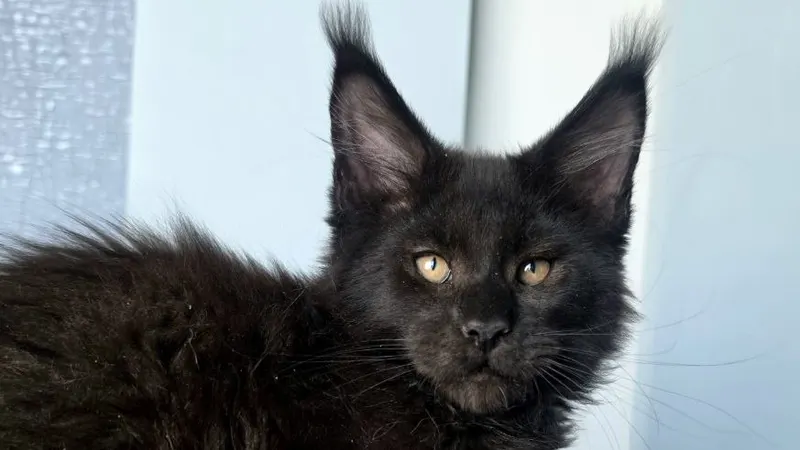
The Maine Coon is shrouded in legends: its kinship with lynxes, its descent from raccoons, its "dog-like" character. Some stories are beautiful fiction, but the truth about the breed is no less fascinating. We've gathered facts that you can verify.
Origin and Records
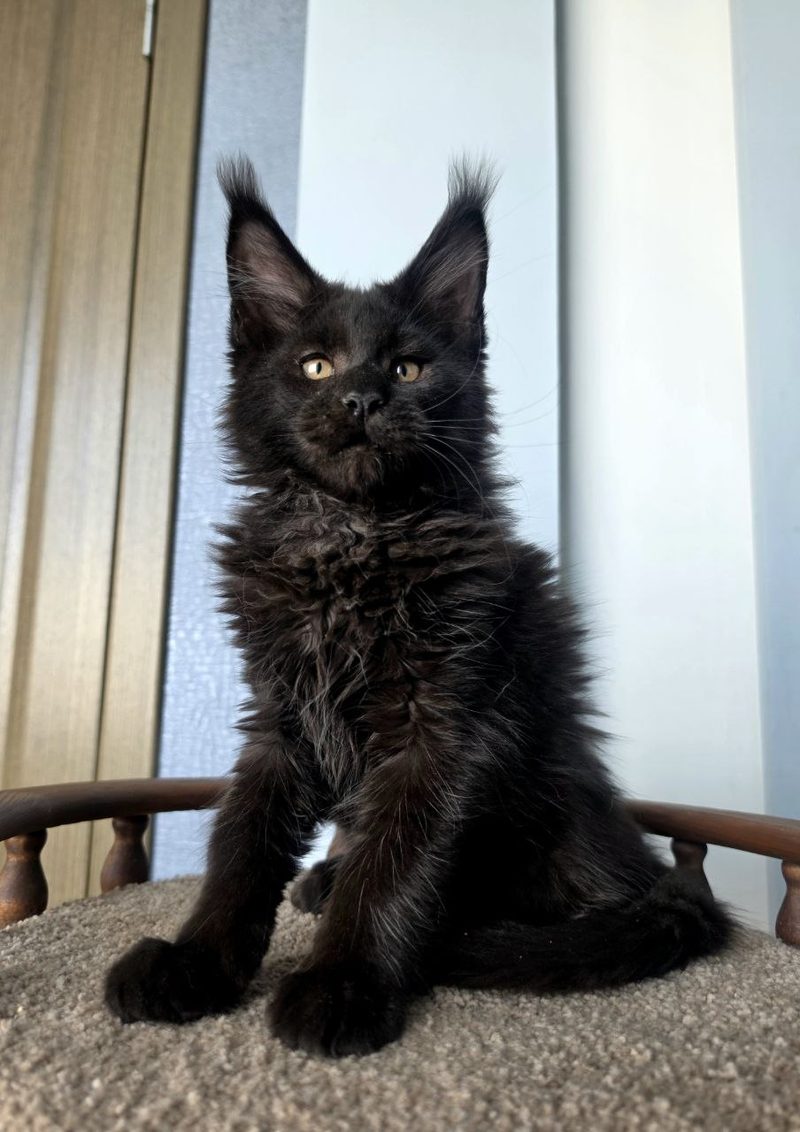
1. No Raccoons Involved
The breed's name comes from the English Maine Coon – "Maine raccoon": its striped fluffy tail indeed resembles a raccoon's. However, interspecies breeding between a cat and a raccoon is biologically impossible. This is simply a successful 19th-century metaphor that stuck.
2. Official State Cat of Maine
In 1985, the Maine Coon was granted the status of official symbol of the state of Maine. It is one of the few cat breeds with state status.
3. Length Record — 123 Centimeters
The cat Stewie (Mymains Stewart Gilligan) entered the Guinness Book of Records with a length of 123 cm from the tip of his nose to the tip of his tail. Later, the title of the longest cat passed to the Italian Barivel — 120 cm. Please note: records are set by length, not by weight.
4. One of the Oldest Natural Breeds of North America
The Maine Coon was not bred by selective breeders — it developed naturally in the harsh climate of the northeastern USA. Everything that appears to be "design" is actually the work of the climate: thick undercoat, fur between the toes, a long tail.
Anatomy Shaped by Winter
5. Tail as a Scarf
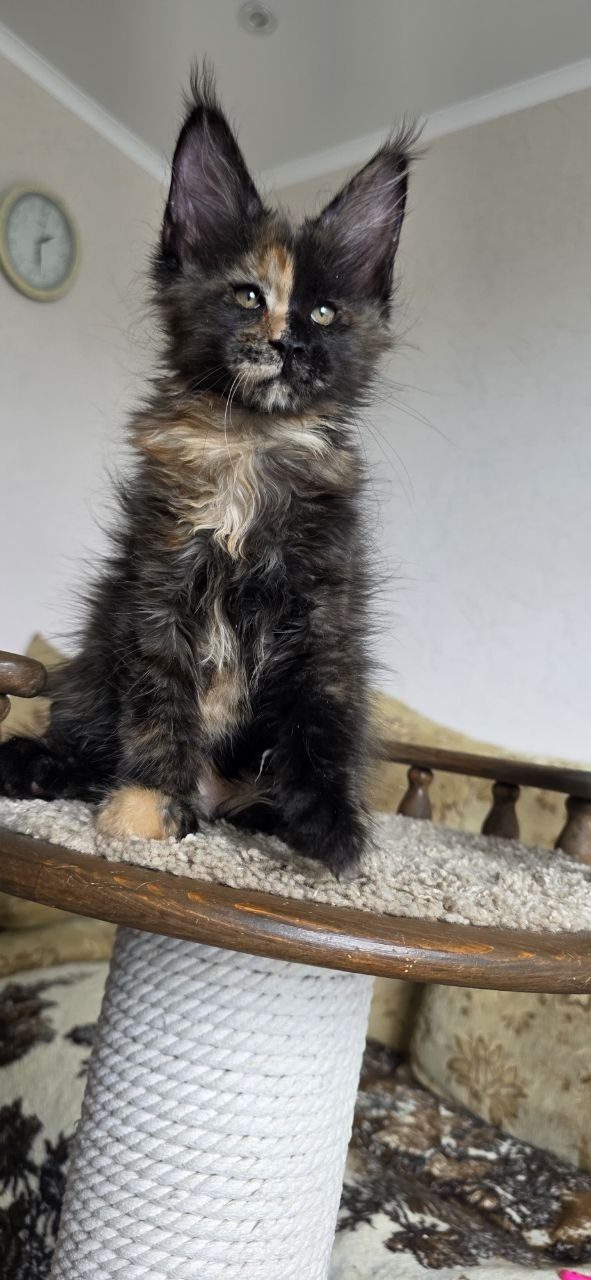
The Maine Coon wraps its long, fluffy tail around itself while sleeping — it's a natural heater. The cat literally sleeps, covered by its own tail.
6. Fur Between Toes — Snowshoes
Tufts of fur between the paw pads increase the surface area and prevent sinking into the snow. They also protect the paws from frostbite.
7. Varying Fur Length on the Body
The fur on the back and sides is long and water-repellent, a "ruff" on the chest, and the thickest on the belly and "britches." This isn't decorative; it's varying thermal insulation for different parts of the body.
8. Ear Tufts Like a Lynx's
Tufts and furnishings inside the ears reduce heat loss and protect hearing from the wind. Despite this, there is no kinship with lynxes.
Characteristics Discovered at Home
9. Maine Coons Don't Meow
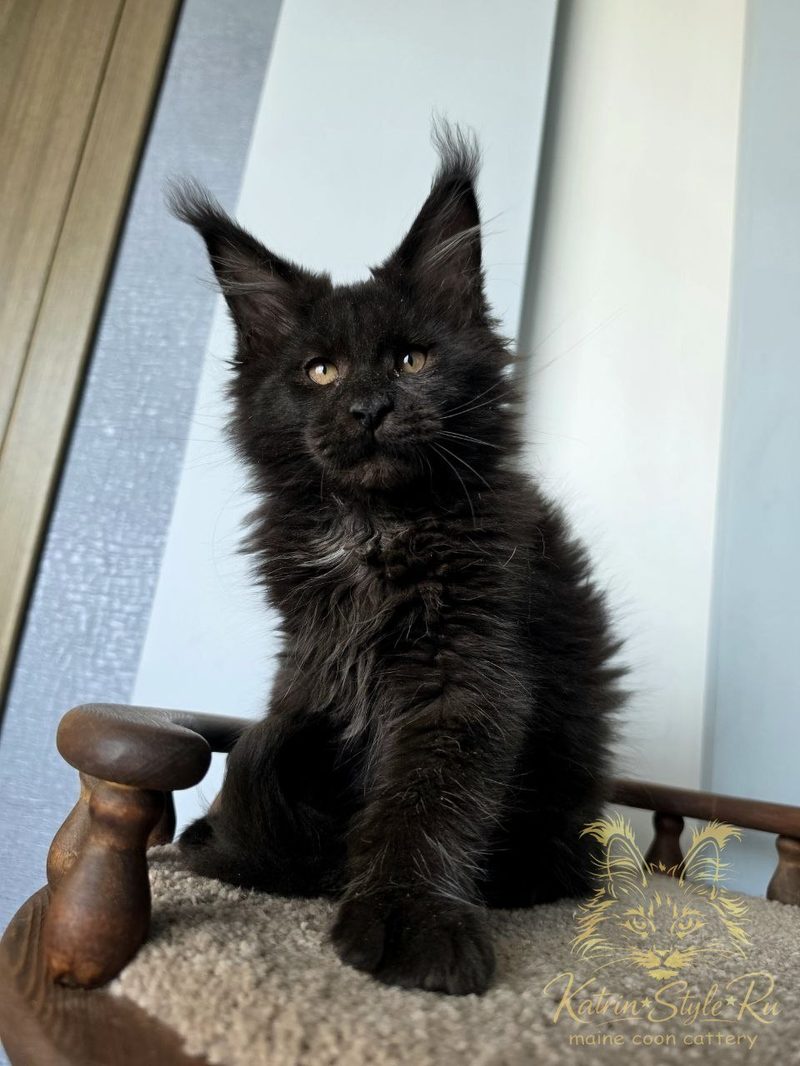
More precisely, they meow rarely. Their usual language consists of chirps, trills, and chatters. For such a large cat, the sound is unexpectedly delicate, and it's something one needs to get used to.
10. They Love Water
Most cats can't stand water, but the Maine Coon plays with streams, dips its paw into its bowl, and comes to watch you shower. The reason is their water-repellent fur: a Coon doesn't get wet to the skin, so it doesn't experience discomfort.
11. Paw First, Then Mouth
Many Maine Coons eat and drink by scooping with their paw. This breed has very "dexterous" front paws — they also open doors and drawers.
12. Mature Up to 3–4 Years Old
An ordinary cat develops by one year of age. A one-year-old Maine Coon is a large teenager: the ruff, "jowls," and true chest width come much later.
13. Polydactyly — A Historical Norm
Extra toes (up to six or seven per paw) were common in a third of early Maine Coons: a wider paw provided better grip on snow. Later, this trait was removed from the show standard, but in some systems, polydactyls are again recognized, and it is not a pathology.
Temperament
14. "Dog-Like Cat"
The Maine Coon follows its owner from room to room, retrieves toys, responds to its name, and calmly learns to walk on a harness. This is why the breed is often recommended to those who previously owned dogs.
15. They Choose Their Person
A Maine Coon usually has "its" person whom it follows, and other family members whom it also loves, but differently.
16. Gentleness Instead of Claws
Despite its size, the breed is surprisingly non-confrontational: a displeased Maine Coon will first retreat and only then express its dissatisfaction vocally.
17. They Really Worked
Maine Coons were ship and barn cats: they hunted rodents on New England farms and ships. The hunting instinct has been preserved — keep this in mind if you have birds or rodents at home.
See Them Live
All these traits are visible in our cats: in the Kittens section, you'll find growth diaries with weekly photos, and in the Our Graduates section, you can see how the little ones look as adults. Learn more about the breed's temperament in the article Maine Coon Temperament and Features, and about their size and records in the article Maine Coon Size and Weight.