How to choose a Maine Coon kitten
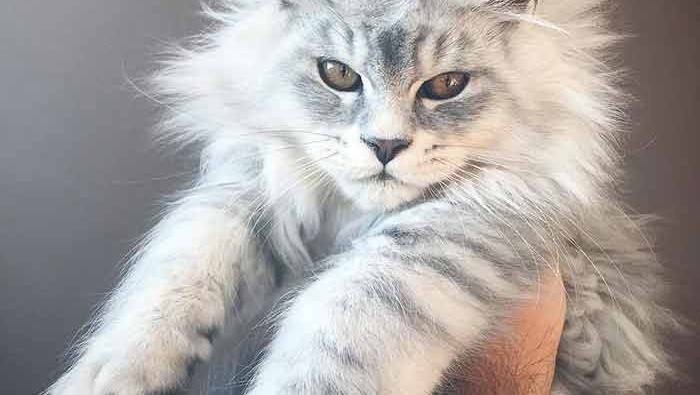
Choosing a Maine Coon kitten is an important step, as this cat will live with you for 15–20 years. It is important to pay attention not only to its appearance but also to its health, temperament, and the environment in which the kitten is raised.
- The kitten's age It is recommended to take a Maine Coon kitten home no earlier than 3 months of age. By this age, the kitten should:
- eat independently,
- use the litter box,
- be vaccinated,
- be treated for parasites,
- have documents (registration slip or pedigree).
If a kitten is being given away at 1.5–2 months, it is too early.
- Physical traits of a Maine Coon Even at a young age, a Maine Coon already shows breed characteristics. Pay attention to:
- large ears with tufts,
- a long tail,
- large paws,
- an elongated muzzle (the "box"),
- a strong bone structure,
- a thick coat.
A Maine Coon is not just a fluffy kitten; it has a distinctive head and body shape.
- The kitten's temperament A healthy, well-adjusted Maine Coon kitten is:
- active,
- curious,
- unafraid of people,
- sociable and willing to interact,
- playful,
- showing no signs of aggression or panic.
A kitten that is too skittish is a reason to be concerned.
- The breeder's conditions Look at where the kittens are raised:
- is the house clean?
- is the mother cat present?
- are the animals well-groomed?
- do the kittens interact with people?
- are there any bad odors, dirt, or cages?
Good breeders raise kittens in the house, alongside people, not in cages.
- Documents A purebred kitten must have:
- a registration slip or pedigree,
- a veterinary passport,
- age-appropriate vaccinations,
- a sales contract.
If they say "documents aren't needed, so it's cheaper," this is a red flag.
- Price A price that is too low for a Maine Coon is almost always a sign of:
- lack of documents,
- poor breeding practices,
- a mixed breed,
- health issues.
A good purebred Maine Coon cannot be cheap because breeding is expensive: medical tests, cat shows, high-quality nutrition, and veterinary care.
The Golden Rule You are not just choosing a kitten — you are choosing a breeder. A good breeder will always help, stay in touch, offer care advice, and take an interest in the kitten's future.
This is exactly where a good and healthy Maine Coon begins.